
DAMANI Group
Industrial Positioning & Identification Sensors
TRACKROLL-ID® enables full traceability of continuous casting rolls using RFID technology, providing identification, lifecycle monitoring, maintenance optimization and operational performance improvement in steel plants.
Continuous casting is a key steelmaking process used to produce slabs, billets and blooms. A typical casting machine contains between 9 and 15 segments and more than 1000 rolls guiding the strand until full solidification.
These large roll fleets require reliable identification and lifecycle information to support maintenance, refurbishment, storage and production operations. Continuous casting roll traceability provides the basis for managing this information throughout the life of each roll.
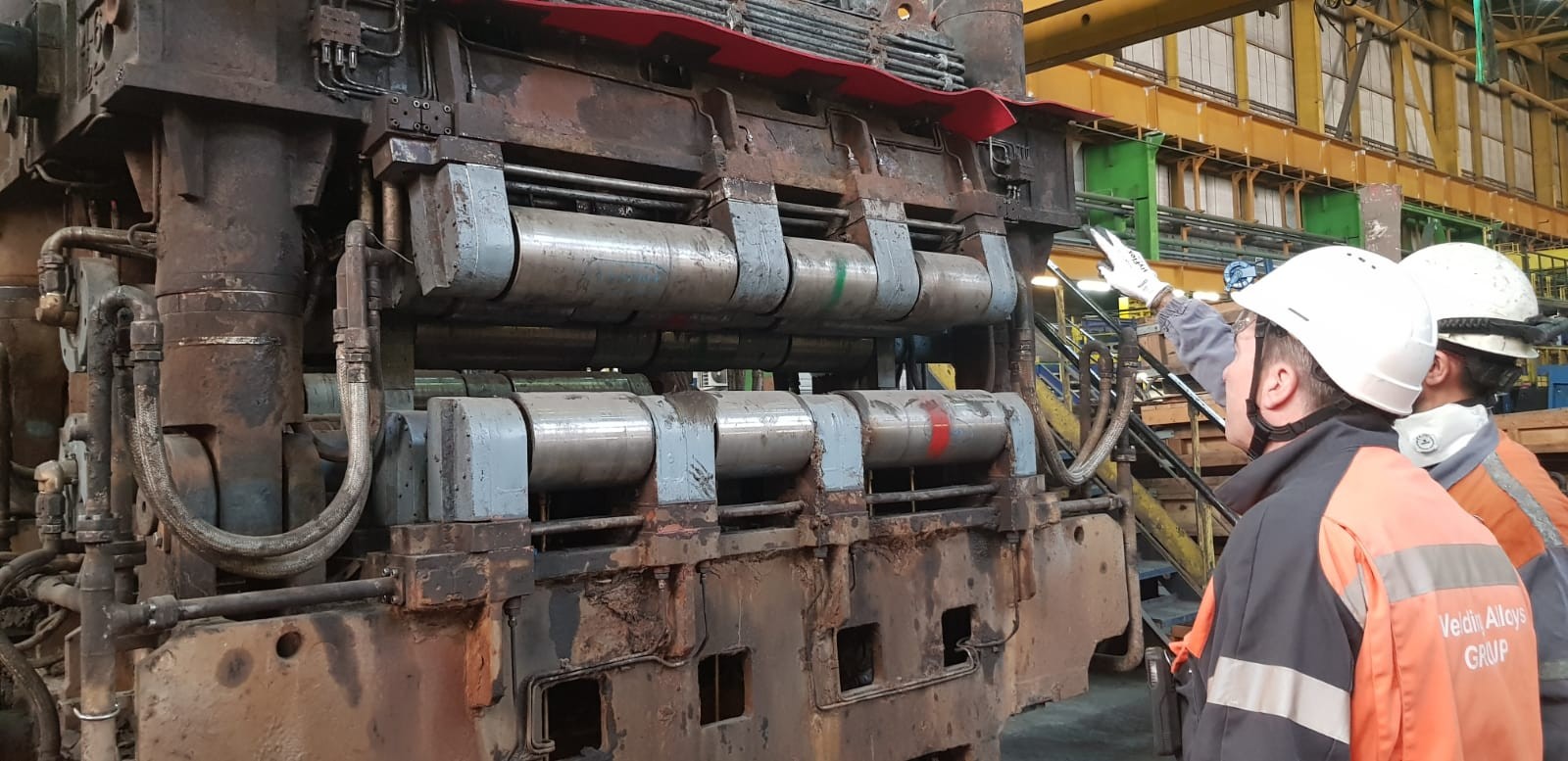
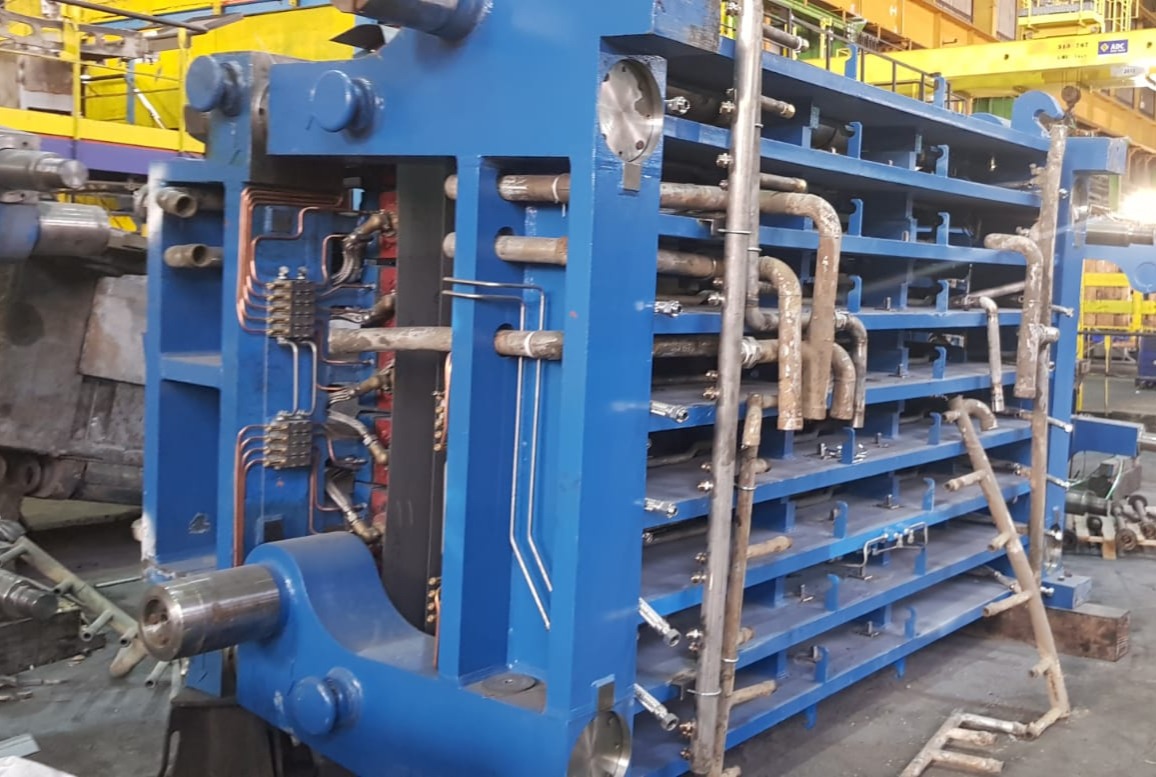
TRACKROLL-ID® is an RFID-based roll tracking system designed for continuous casting machines in steel plants. By integrating RFID tags directly into casting rolls, the system enables individual identification, tracking and lifecycle management of each roll across production, maintenance, refurbishment and storage operations.
The objective of roll traceability is to maintain reliable information about each individual roll throughout its lifecycle. Identification data can be associated with the roll's location, usage history and maintenance operations, providing a structured view of the roll fleet.
This roll tracking approach gives steel producers better visibility of their casting rolls and supports maintenance planning, refurbishment management and more efficient roll fleet management.
During casting operations, hot steel slabs pass between rolls under extreme thermal and mechanical conditions. Continuous casting rolls therefore operate in demanding industrial environments and require regular inspection, maintenance and refurbishment.
Reliable identification is essential when large numbers of rolls are handled across production areas, maintenance workshops and storage locations.
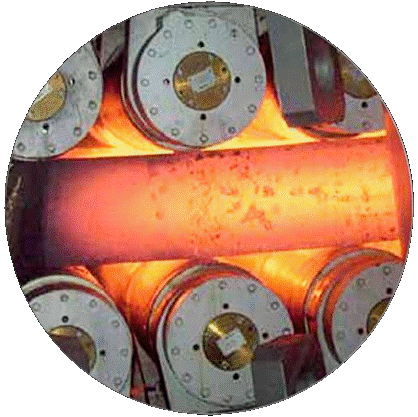
Casting rolls operate under severe industrial constraints and must be regularly inspected, refurbished and replaced. Managing large roll fleets without reliable traceability can lead to loss of visibility, inefficient maintenance processes and increased operational costs.
For each roll, steel plants need to answer practical questions throughout its lifecycle: Which roll is it? Where is it located? Where has it been used? What maintenance or refurbishment operations have been performed? When can it return to service?
Traditional identification and manual records can make this information difficult to maintain and retrieve. A digital roll traceability system provides a structured way to associate identification and lifecycle information with each individual casting roll.
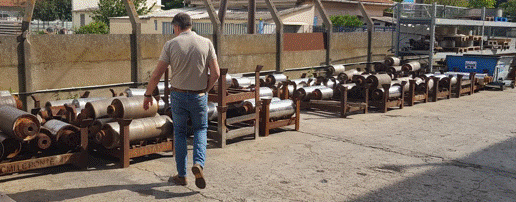
In many steel plants, roll traceability may still rely on manual documentation or paper records. These methods can make lifecycle tracking difficult, particularly when large numbers of rolls move between production, maintenance, refurbishment and storage areas.
Without a reliable digital identification system, information about a roll can become fragmented between different operational records. RFID identification provides a direct link between the physical roll and its associated traceability information.
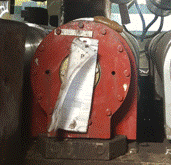
TRACKROLL-ID® is a complete roll traceability system designed to identify continuous casting rolls and manage their lifecycle across production, maintenance operations, storage yards and refurbishment activities.
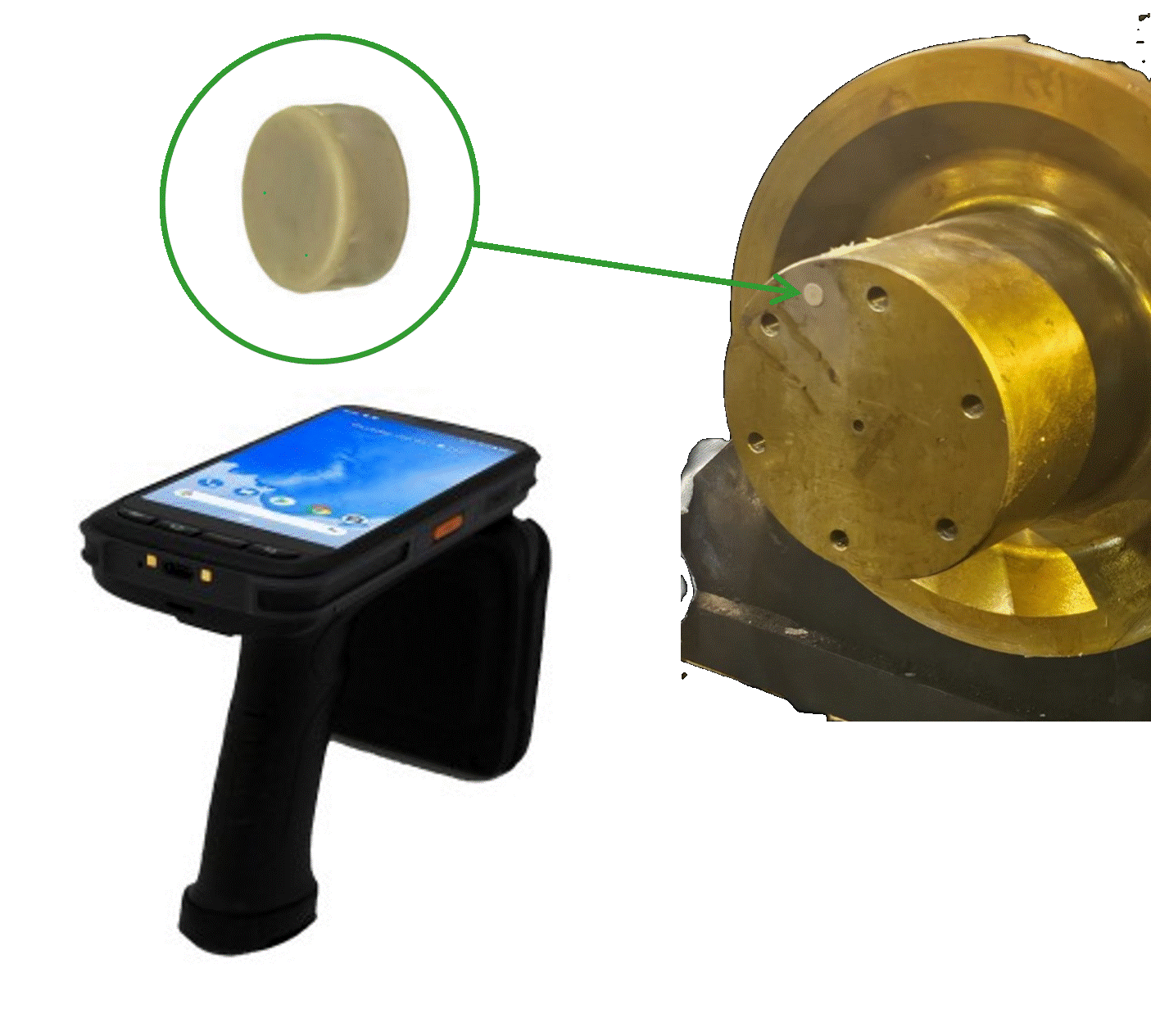
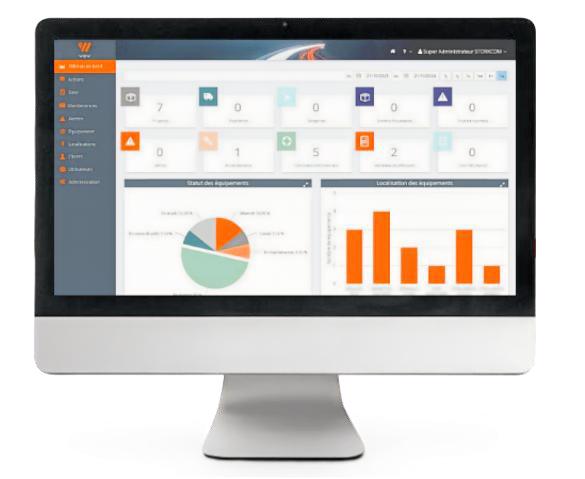
The system combines RFID identification, portable field reading, mobile data collection and web-based monitoring to connect physical roll identification with its lifecycle information.
TRACKROLL-ID® tags are installed in dedicated housings machined into the roll structure. This integration allows the physical roll to retain its individual RFID identification throughout its operational lifecycle.
The RFID identification can then be used during roll handling, maintenance, refurbishment and storage operations to connect the physical equipment with its traceability information.
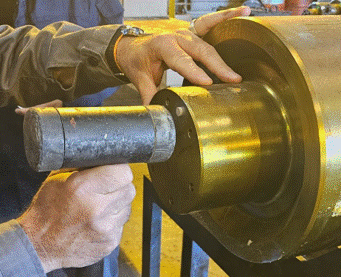
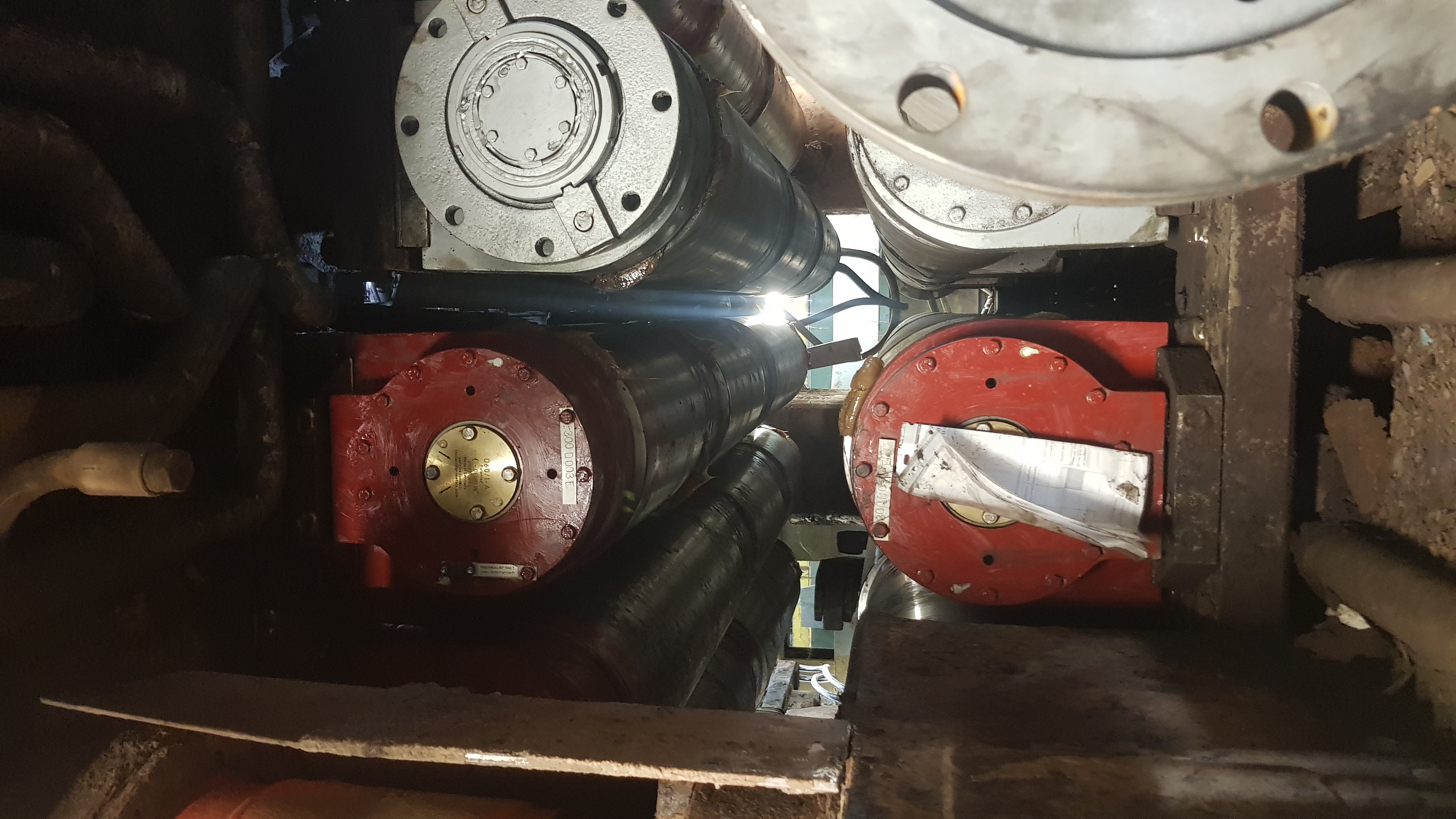
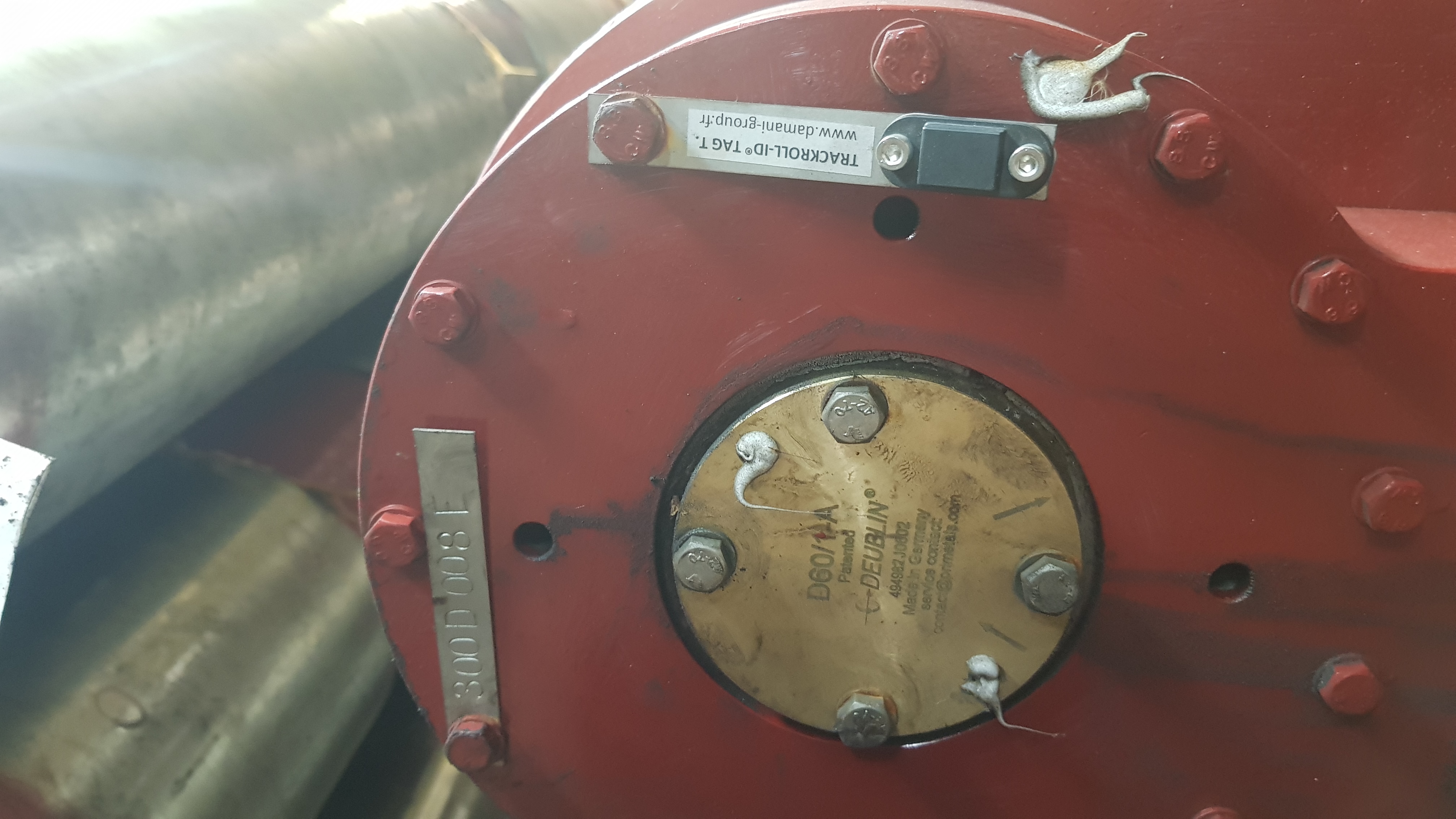
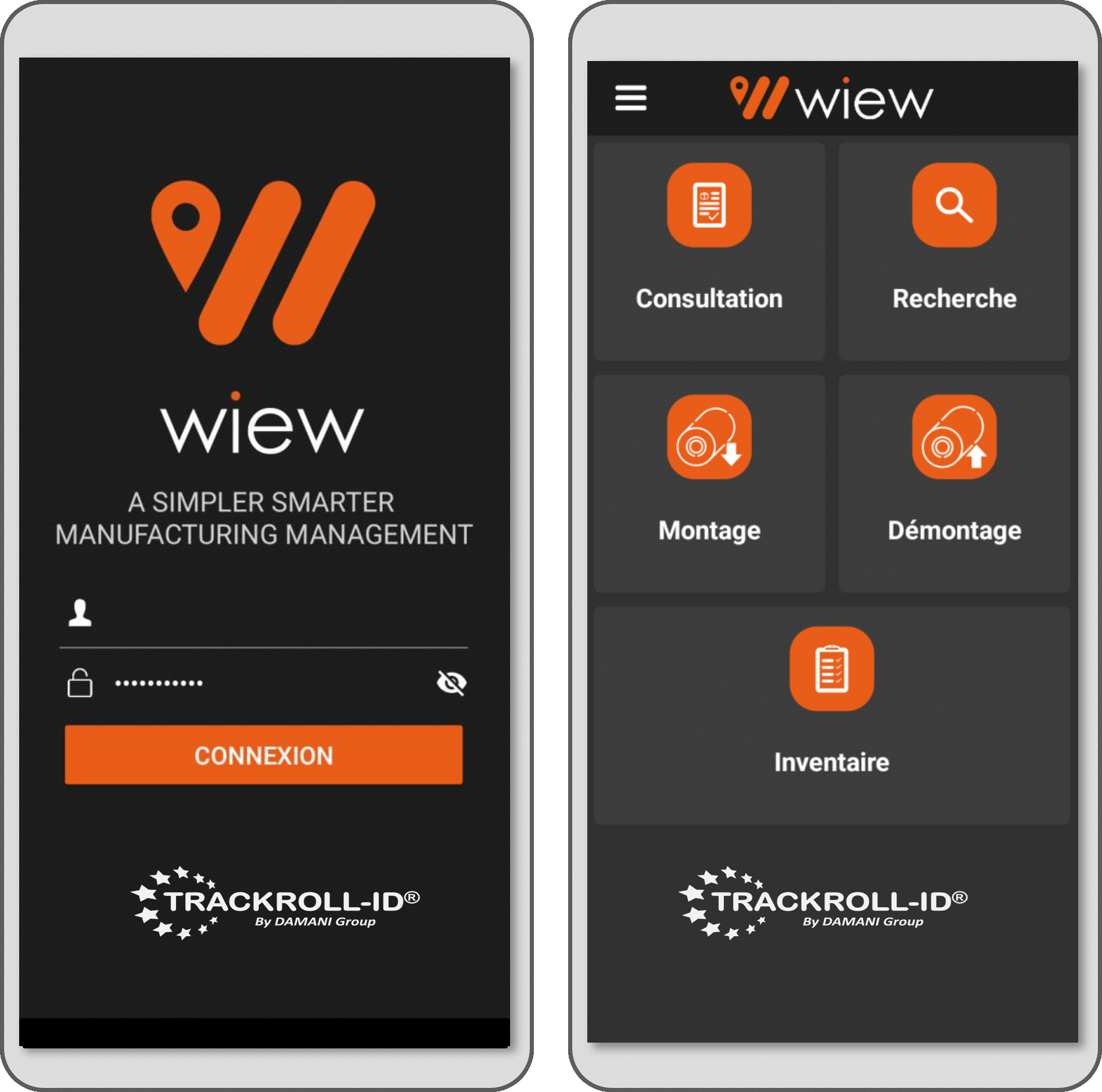
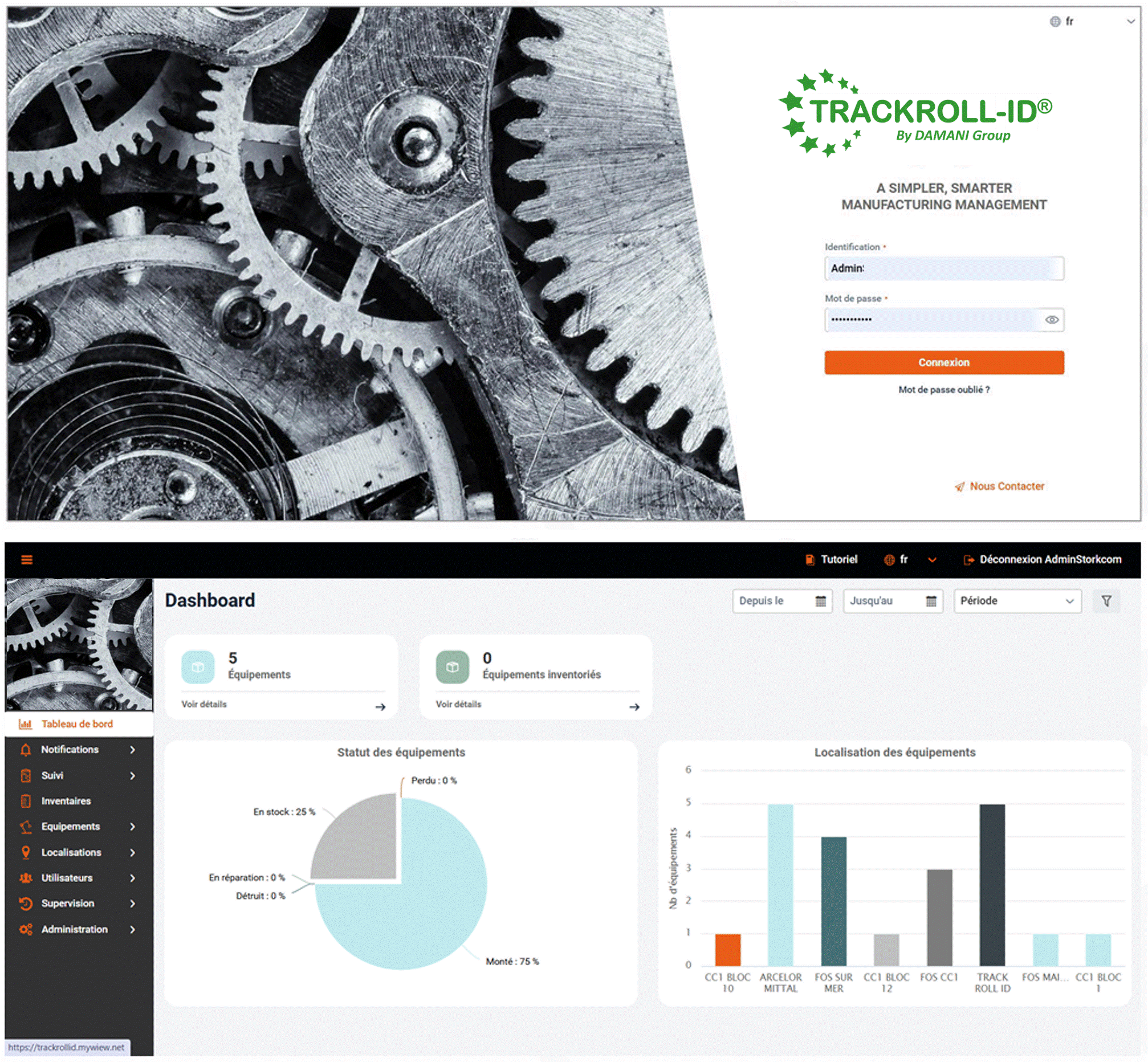
TRACKROLL-ID® provides steel plants with a digital approach to continuous casting roll identification and traceability. By connecting each physical roll with its lifecycle information, the system supports more structured management of roll fleets and maintenance activities.
A continuous casting roll traceability system is essential for managing large fleets of casting rolls. By combining individual identification, tracking and lifecycle information, steel plants can improve visibility of their roll fleet and support more structured maintenance and refurbishment processes.
TRACKROLL-ID® connects RFID identification with field operations and digital monitoring, providing a practical approach to continuous casting roll tracking from production through maintenance, refurbishment and storage.
DAMANI Group supports steel producers and machine builders implementing roll traceability solutions for continuous casting applications.
If you are looking to improve the identification, tracking and lifecycle management of continuous casting rolls, contact DAMANI Group to discuss your application.
Contact DAMANI GroupDownload the complete TRACKROLL-ID® technical presentation for additional information about the roll traceability system, RFID identification and field implementation.
Download TRACKROLL-ID® Technical Presentation (PDF)